There are times in which we look into the Catholic sphere and think, where are the women? A male-dominated hierarchy, male disciples, men at the altar, financial council, annual BBQ (but often not at the children’s liturgy). The debate over a woman’s place in the Church has raged since the very outset. Rather than step into this minefield of a question, here are ten great women giving us all great example. So great, that that have been made saints.
-
St Anne – Patron saint of mothers
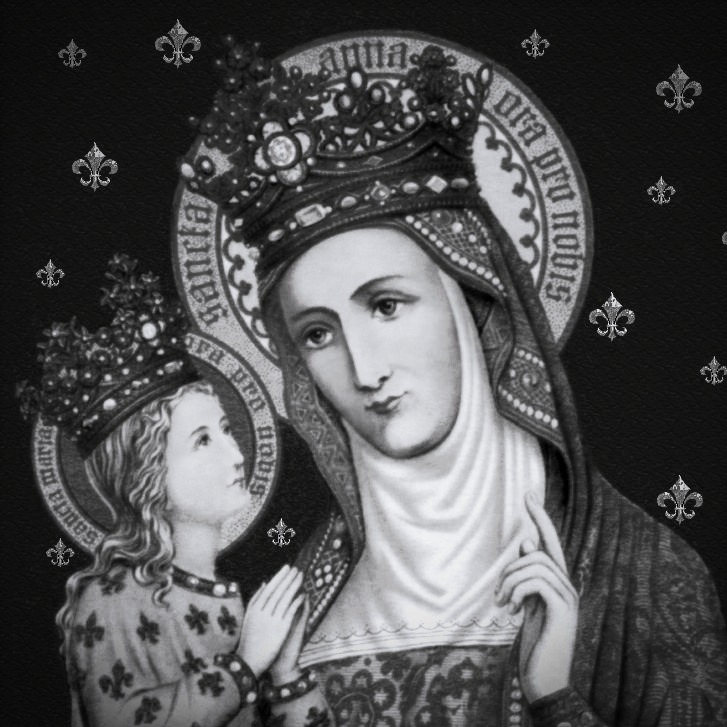
Let’s start with the woman that we came from, our mothers, and in this case the mother of our Holy mother, St Anne. St Anne and her husband, St Joachim are not mentioned in the bible, although they play a pivotal role. Quite unusual at that time, St Anne conceived and gave birth to her only child much later in life. Her child was to be dedicated to God from this moment, and was to become the mother of Christ.
-
St Catherine of Alexandria – Patron saint of girls
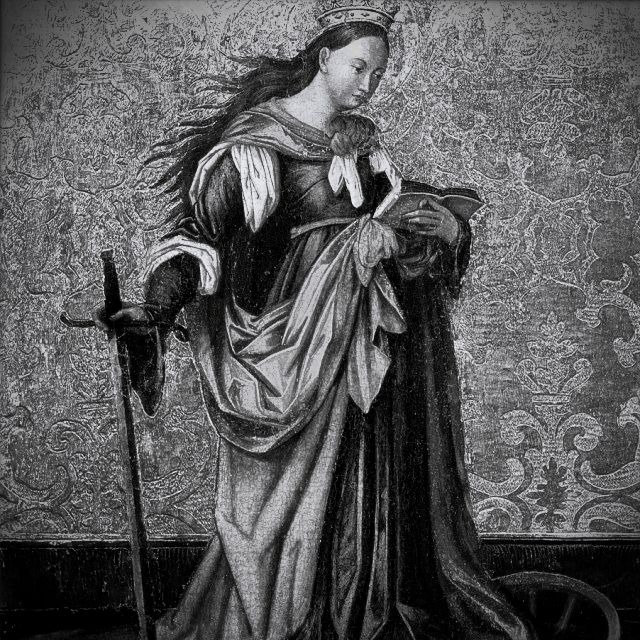
St Catherine of Alexandria is perhaps more commonly known is society by her unfortunate end. The firework that we now call the ‘Catherine Wheel’ is named after the spiked wheel upon which Catherine was condemned to her painful death. St Catherine has a large female following which began in the Middle Ages, when she was used as an exemplar for women. At the time it was likely that this was through her dedication to study and chastity. Now one sees her strength in the face of ‘mansplaining’ pagan philosophers and violent kings as her inspiration to the girls that she is patron of.
-
St Paula – patron saint of widows
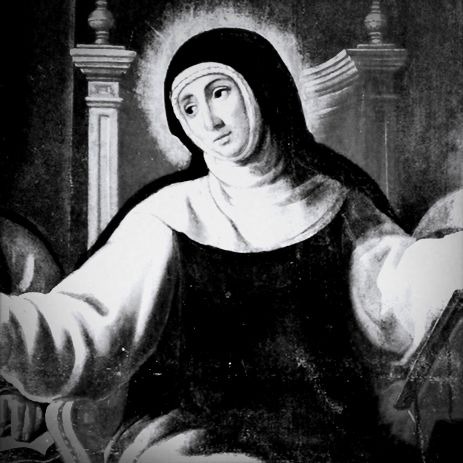
St Paula is not a popular name in the canon. St Paula is said to have been a close friend of St Jerome, and married a man called Toxotius. They were understood to be a perfect married couple, and his sudden death, when she was aged just 32 was a shock to their community. St Paula demonstrated strength during her grief by continuining to raise her five children alone. As well as this, she also dedicated her life to helping the poor, eventually building a hospice. Whilst initially praised for her perfect marriage, St Paula became renowned for how she came into her own after its untimely end.
-
St Margaret of Cortona – patron saint of single mothers
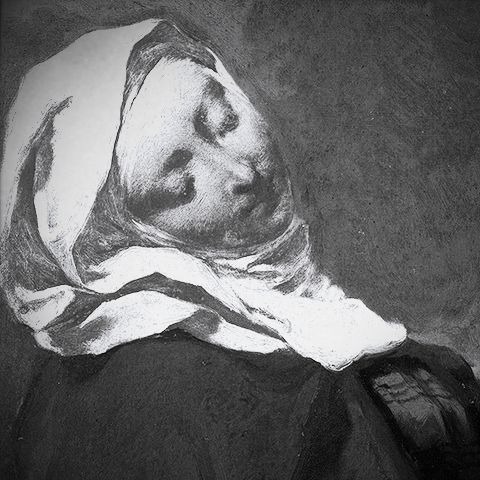
St Margaret of Cortona came from the humblest of beginnings. Like many classic fairy tales, St Margaret’s mother died when she was young and she quickly gained a jealous and nasty step-mother. Margaret spent less and less time in the family home and quickly gained the interest of local baron Arsenio, who invited her to be his mistress. She lived with him for nine years, even bearing him a son, whilst he continued to refused to marry her. One day, Arsenio’s dog came back from a trip without him, and led St Margaret to a place in the forest where she found him murdered. It was at this point that St Margaret turned to faith. She continued to raise her son alone, after her family and the local community rejected her.
-
St Elizabeth Ann Seton
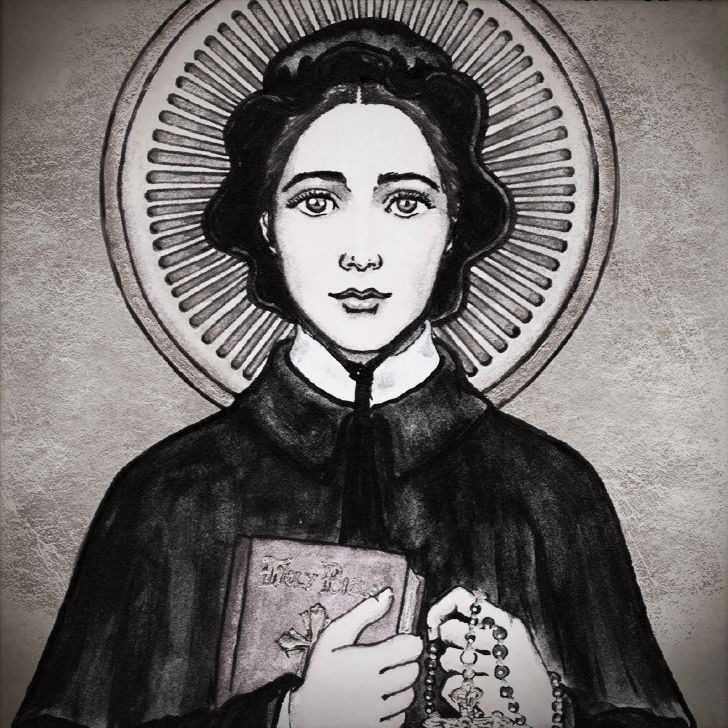
St Elizabeth Ann Seton is known throughout north America as a champion of women’s education. St Elizabeth Ann Seton was born in upper class New York society, and married William Seton whilst they were both still very young. As appears to be a theme among female saints, William Seton died young, of Tuberculosis, leaving St Elizabeth to care for his seven brothers and sisters. At the suggestion of St. Mary’s College in Baltimore, St Elizabeth started a sisterhood of women who would then instruct young girls. This was the conception of the first free Catholic school in America. Her order, with perhaps one of the most empowering names in history – The Rule of the Sisterhood – was formally ratified in 1812.
-
St Hildegard von Bingen
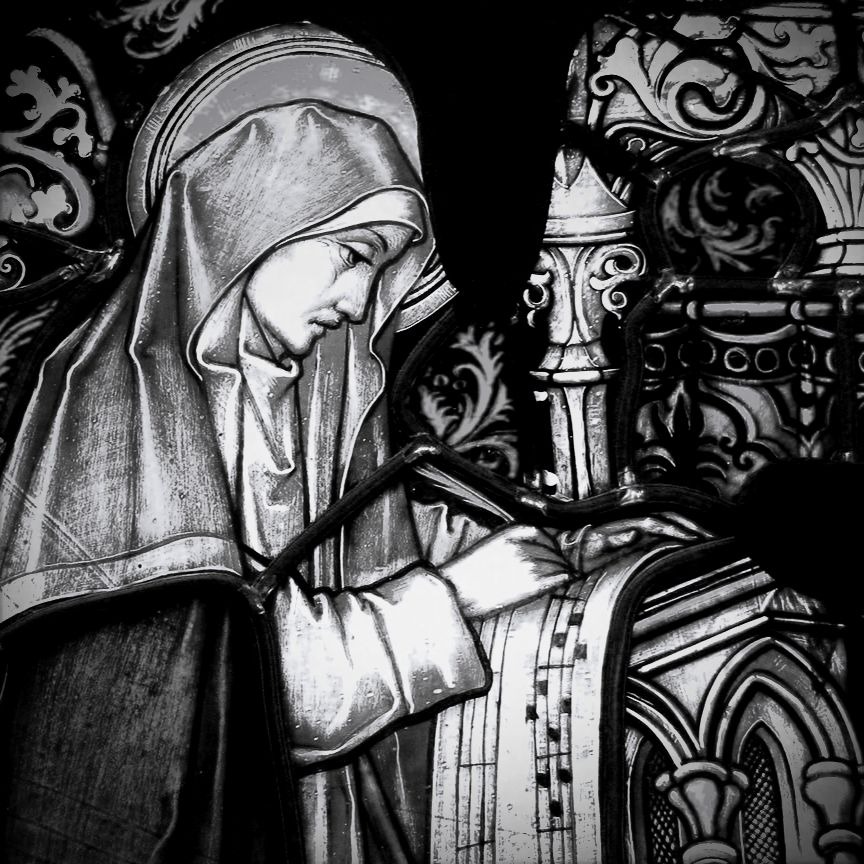
Mozart, Handel, Mendelsohn, Hans Zimmer. Even those with little interest in music can name a selection of famous men who have their names at the top of musical scores. Dufay, perhaps Guido da Arezzo, are thought of as the earliest medieval composers, however, historians have recently discovered that, contrary to popular belief, women were also composing music at the same time. St Hildegard von Bingen, a mere 800 years after her death, has finally been recognised as one of the first identifiable composers in the history of Western music. Accounts of her life do not limit her to this one skill; St Hildegard was also an accomplished writer, theologian, artist, botanist and poet. An all-round talented woman.
-
St Dymphna
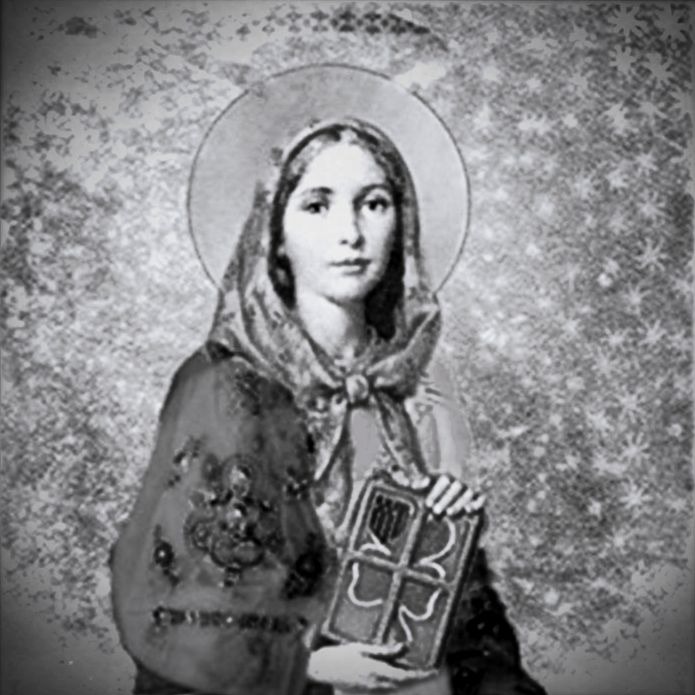
St Dymphna, the daughter of a pagan king, lost her mother at a young age. Her father’s grief caused him to spiral into mental illness. He thought that he wanted to marry Dymphna because her looks were so similar to her mother’s and because his court were advising him that this was a sensible way to keep his kingdom safe. She felt the need to flee Ireland, and eventually settled in Gheel, Belgium, with Fr. Gerebran. Her father found her and on the advice of his court, he continued to forcibly persuade her to marry him. Inevitably she was killed for her defiance. Since her death, people have venerated St Dymphna and have been supposedly eased in their mental illnesses. Whilst still relatively unknown, ‘Dymphna Day’, a catholic mental health campaign was set up in 2016 to raise awareness of charities that work with people who live with mental ill-health.
-
Saint Thérèse of Lisieux
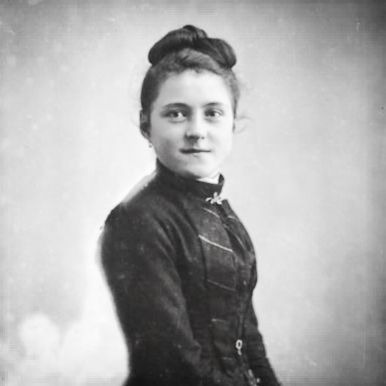
St Thérèse of Lisieux is much-loved among the European church, precisely because she did not do very much. She was not martyred, she did not build hospitals, and she did not convert thousands (in her lifetime). Prone to sickness as a child, she was often left alone, a time in which she learned to pray. As the ‘baby’ of the family, St Thérèse was often pampered and this cultivated a stubbornness – a stubbornness that got her an audience with the Pope and an entry into the convent at just 14 years old. The remainder of her short life was simple. She was known for smiling at everyone, eating the leftovers, taking the blame for small accidents that were not hers, and falling asleep during prayer. Her motto has become famous throughout the church: ‘do little kindnesses without making a fuss about them—and lots of similar things’ or more commonly reported, ‘do small things with great love’.
-
St Winifred of Wales
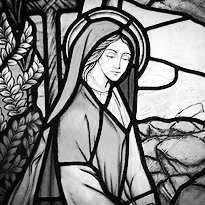
St Winifred was the daughter of a Welsh nobleman, and was much sought-after by suitors that wanted to marry into their clan, Tegeingl, cantref in north-east Wales. One such suitor, Caradog, was enraged by the notion that she might not want to marry him, but instead become a nun. The only conceivable response, he thought, was to decapitate her. One version of her disastrous end reads that her head rolled down a hill, and at the place in which it landed, a healing spring appeared. This is now the welsh pilgrimage site of Holywell. But fear not! St Winifred’s saintly uncle St Bueno, was able to re-join her head and body, and she lived to become a much-loved abbess. Naturally, St Winifred has been unofficially adopted as the patron saint of those receiving unwanted (and in her case, almost fatal) advances.
-
St Theresa Benedicta of the Cross
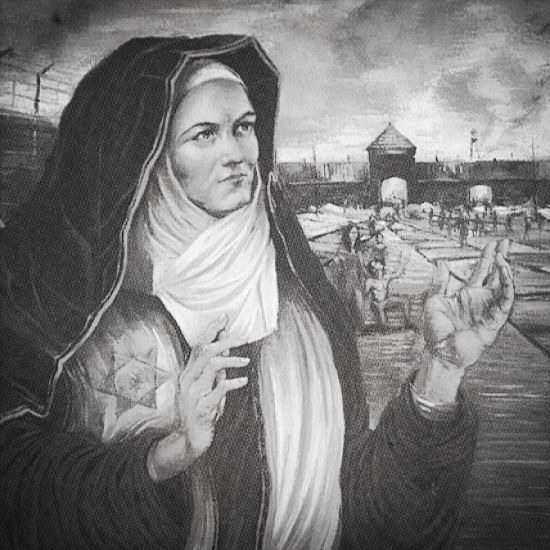
St Theresa Benedicta of the Cross is more commonly known as Edith Stein and is one of the more modern females to have been made saints. Her story begins, perhaps unusually, with a rejection of God (and her Jewish faith), aged 14. This was followed by an intense study of philosophy which developed this atheism. However, later reading about the life and works of St Theresa of Avila, she was inspired and became a Carmelite nun, taking the name St Theresa Benedicta of the Cross. St Theresa Benedicta was from a Jewish family in Breslau, Germany, which is now Wroclaw, Poland. Just six months after St Theresa Benedicta of the Cross made her eternal profession in April 1938, the anti-Semitism of Nazism became apparent to the whole world. Edith Stein was arrested by the Gestapo under her Jewish name on 2 August 1942 and deported to Auschwitz one week later. Her final known words, as she left the convent were “come, we are going for our people”.
This international women’s day, we thank and are inspired by the women who went before us in faith, the champions of women in our communities and parishes, and the women who are raising the future generation of women of faith.
 Nina Mattiello Azadeh